

When I tell friends I spent a full day at Ocean Park Hong Kong and still didn’t see everything, they usually look surprised. Most visitors to Hong Kong, China assume the city is all skyscrapers and shopping. But tucked into the southern coast of Hong Kong Island, Ocean Park HK blends a world-class aquarium, giant pandas, and some of the most stomach-dropping thrill rides in Asia. I’ve been three times now, and each visit reveals something new.
This guide is the one I wish I’d had before my first trip: how to get there, which Hong Kong Ocean Park tickets make sense, what to ride, and when to go. Let me walk you through it the way I’d explain it to a friend sitting next to me on the cable car.
Getting There (MTR South Island Line)
The easiest way to reach Ocean Park Hong Kong is the MTR. Take the South Island Line to Ocean Park Station — it’s a dedicated stop, and from the platform you’re only a five-minute, mostly covered walk to the main entrance. I love this option because it drops you right at the gate without the traffic headaches of the Aberdeen Tunnel.
If you’re coming from Central or Admiralty, the ride is quick and air-conditioned, which matters on a humid summer morning. Buses also run from several districts, but on a busy weekend the MTR is the most predictable. Taxis are fine if you’re staying on the south side of Hong Kong Island, though I’d avoid them during morning rush hour.
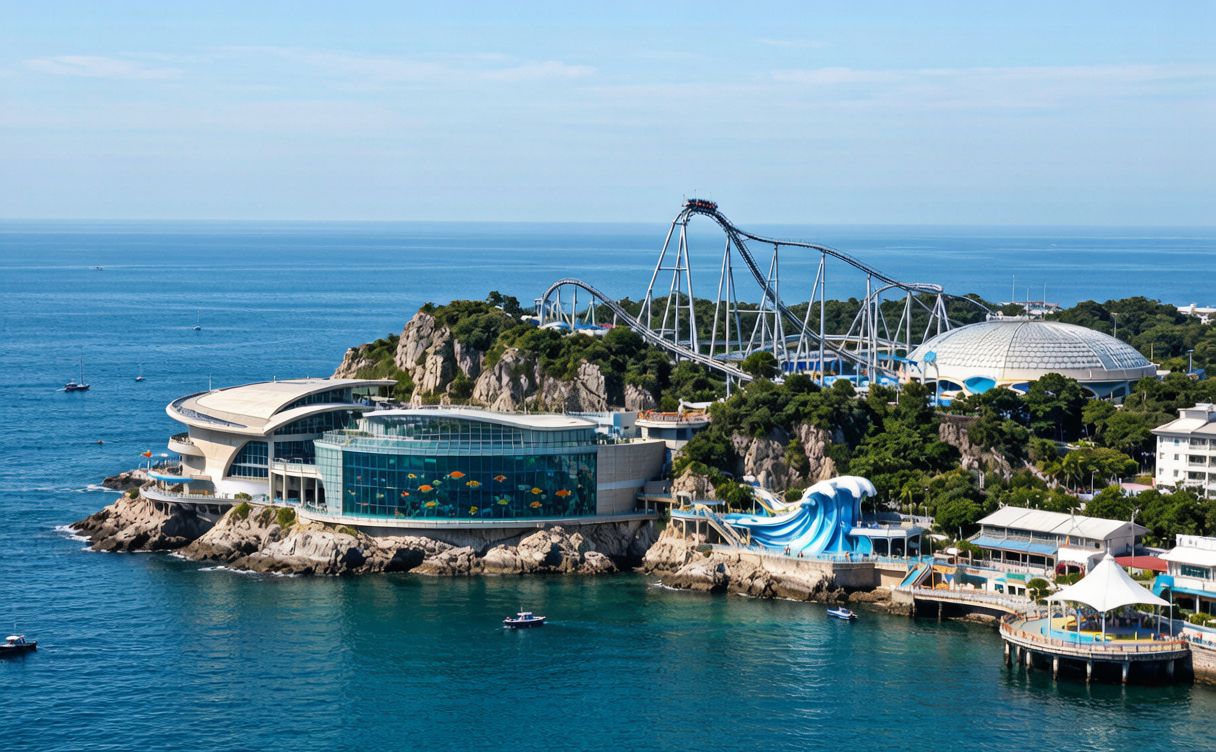
One tip from experience: enter through the Waterfront Plaza and grab a paper map immediately. The park is built on a hillside, split into two main areas — the Waterfront (low) and the Summit (high) — connected by a cable car and a funicular train. Plan your day around moving between these two levels rather than backtracking.
Ticket Types
Hong Kong Ocean Park tickets come in a few flavors, and picking the right one saves both money and stress. The standard daytime admission covers everything in the park — all exhibits, shows, and rides — which is refreshingly simple compared to some theme parks that charge per attraction.
I usually buy online in advance through the official site or authorized resellers. The price is the same, but you skip the ticket queue, and on peak days that line can be long. There’s also an annual pass if you’re a local or planning multiple visits; for most foreign visitors a single-day ticket is the right call.
Children and seniors get discounted rates, and kids under three enter free. Keep your passport handy — occasionally ticket checks happen, and it’s easier to have ID ready. If you want to add a special experience like a behind-the-scenes tour or a dolphin encounter, those are separate paid add-ons booked ahead of time.
Whatever you do, buy before you arrive. Walking up to the window on a Saturday morning is the slowest possible start to your day.
Top Zones & Rides
This is where Ocean Park HK earns its reputation. I’ll break it into the parts I think matter most.
Giant Pandas and Aqua City
The panda house is non-negotiable. Hong Kong, China keeps a small but beloved group of giant pandas, and watching them munch bamboo at close range never gets old. Right next door, Aqua City is a massive aquarium with a walk-through ocean tunnel — I stood under a manta ray glide for a good ten minutes on my last visit.
The Grand Aquarium holds thousands of fish across hundreds of species. If you only have time for one indoor exhibit, make it this one. The lighting and glass design make photos look fantastic even on a phone.
Thrill Rides at the Summit
Now the fun part. Ocean Park rides are genuinely intense. The Hair Raiser is a floorless roller coaster perched on the edge of a cliff, and the view down to the sea between drops is jaw-dropping. The Abyss turntable plunge drops you straight down a tower. I’m not usually a coaster person, but the setting made these worth it.
For families with younger kids, the Whiskers Harbour area has gentler rides and a splash zone. I’ve seen plenty of tired parents grateful for the shade there in the afternoon.
Shows and Animals
The dolphin and sea lion shows are crowd favorites, but they run on a fixed schedule — check the app or map when you enter and build your route around them. The Asian elephants and red pandas are easy to miss if you’re rushing between coasters, so slow down at least once.
I also recommend the cable car ride itself as a “ride,” not just transport. The slow climb from the Waterfront to the Summit gives you a sweeping view of the South China Sea and the southern coastline of Hong Kong, China — on a clear day you can see all the way to the outlying islands. Ride it once for the view, then use the funicular later to save time.
Tips
After three visits, these are the things I’d tell any first-timer:
- Arrive at opening. The first two hours are the quietest. Hit the popular Ocean Park rides before the midday crowd builds.
- Use the cable car both ways early. The line for the cable car back down gets long after 4 p.m. Ride it down before the rush, or take the funicular.
- Download the park app. Show times, wait times, and a live map kept me oriented far better than the paper version alone.
- Pack light but smart. Water is expensive inside; bring a refillable bottle (there are fountains). Wear sunscreen and a hat — much of the Summit is exposed.
- Eat at off-peak hours. Lunch at 11:30 or 2:00 beats the noon scramble. The seafood restaurant near the Waterfront is decent and air-conditioned.
- Avoid peak weekends and public holidays. Lines for Hong Kong Ocean Park tickets and rides swell on Saturdays and during Chinese festivals. A weekday visit transformed my experience.
Best Time
Hong Kong, China has a subtropical climate, and timing your visit makes a real difference. I’d rank the months from late October to early December as close to perfect — cool, dry, and clear. Spring (March to April) is also good, though humidity rises.
Summer (June to August) is hot, sticky, and prone to afternoon thunderstorms. The park still runs, but you’ll want the indoor aquariums as a refuge around midday. Typhoon season can close outdoor rides entirely, so always check the forecast.
Winter is mild by most standards but can feel damp; bring a light jacket for evening cable car rides. My personal sweet spot was a November weekday — short lines, blue skies, and pandas that were wide awake.
If your dates are fixed and fall in summer, don’t cancel — just adapt. I spent a July visit bouncing between the Grand Aquarium, the panda house, and air-conditioned restaurants between 12 and 3 p.m., then hit the outdoor Ocean Park rides in the cooler evening. The park stays open late in peak season, and the sunset from the Summit is worth staying for.
Good to know
Ocean Park Hong Kong is open year-round, but hours shift by season, so confirm the day’s schedule on the official Ocean Park website before you leave your hotel. The site also lists show times, maintenance closures, and any special seasonal events. I check it the morning of every visit — it has saved me from showing up during a partial closure more than once.
The park is stroller- and wheelchair-friendly, with lockers near the entrance and first-aid stations throughout. If you’re traveling with small children or older family members, the Summit’s elevators and the funicular are easier than the cable car queue.
Final thoughts
Ocean Park HK surprised me every time — it’s equal parts serious marine conservation center and unapologetic thrill park, and that combination is rare. Whether you come for the pandas, the aquarium tunnel, or the cliff-edge coasters, give it a full day and arrive early.
I left my last visit already planning the next. For a single destination that pleases both adrenaline seekers and animal lovers, Ocean Park Hong Kong, China is hard to beat.