

Shanghai Pudong International Airport, universally known as shanghai pudong airport and carrying the IATA code PVG, is the main international gateway to China’s largest city and one of the busiest aviation hubs in the world. If you are flying into or out of Shanghai, chances are you will pass through airport pvg shanghai at some point. Located about 30 kilometers east of the city center in the Pudong New Area, the airport handles the overwhelming majority of Shanghai’s long-haul and international flights, while the older Hongqiao airport serves mostly domestic and regional routes.
Travelers need to know three essentials before arrival. First, PVG has two main passenger terminals — Terminal 1 and Terminal 2 — plus the satellite S1 and S2 concourses connected by an underground people-mover. Second, the fastest way downtown is the Maglev train, which reaches speeds of 430 km/h, or the Metro Line 2 for a cheaper, slower ride. Third, the airport is enormous, so always confirm your terminal and check-in area well before departure. Whether you are a first-time visitor or a seasoned flyer, this guide covers everything you need: terminals, transport, lounges, transit hotels, and practical tips for a smooth journey through china pudong airport.
Understanding the Terminals at airport pudong
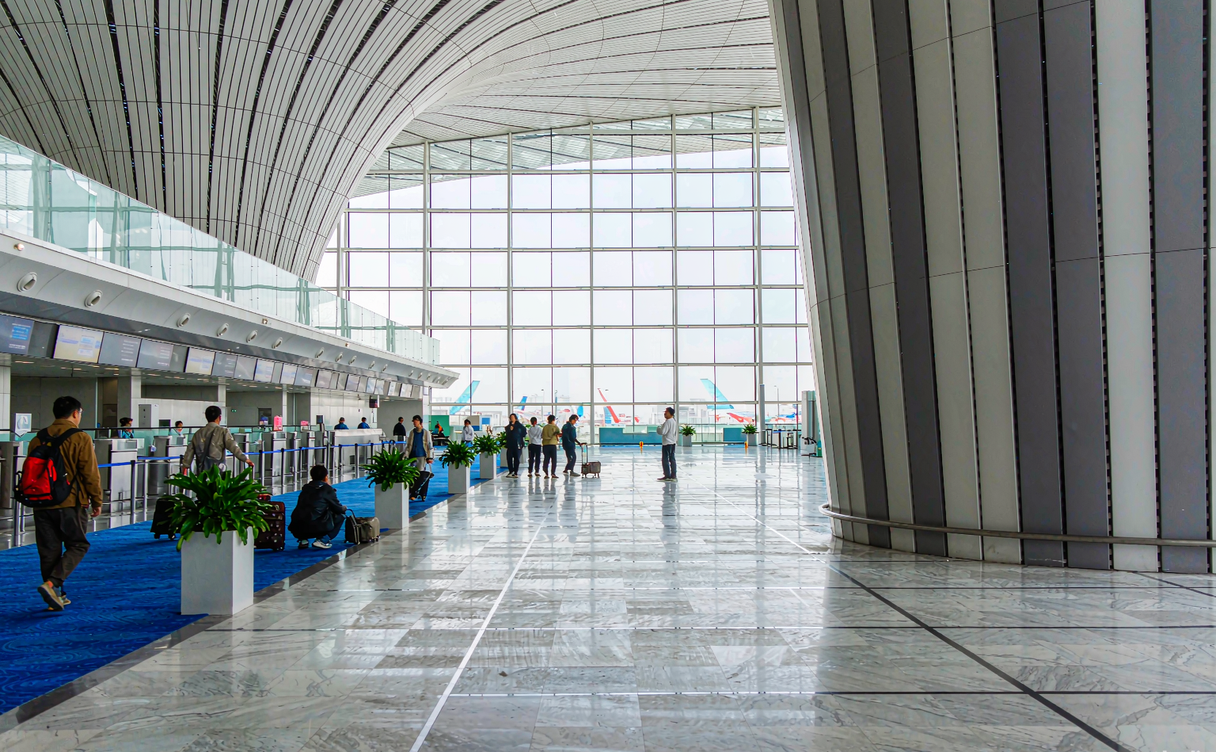
The pvg pudong airport complex is large and spread out, so knowing your terminal saves time and stress. Terminal 1 primarily serves Star Alliance carriers such as Air China, Lufthansa, and United, along with a number of domestic and regional flights. Terminal 2 is the home of SkyTeam and Oneworld partners including China Eastern, China Southern, Delta, and British Airways. Both terminals are connected to the rest of the airport by the free inter-terminal shuttle bus and by the Metro.
Beyond the two main buildings, PVG operates two satellite concourses, S1 and S2, which opened to relieve congestion and add dozens of additional gates. These satellites sit between the runways and are reached from T1 or T2 via the underground Shanghai Airport People Mover, a driverless train that runs every few minutes. If your boarding pass lists a gate beginning with “G” or “H”, head to the satellite early, because the transfer alone can take 15 to 20 minutes including security.
Signage throughout the shanghai airport is clear and offered in Chinese, English, and often Korean and Japanese. Still, give yourself extra buffer time, especially during Chinese public holidays when crowds swell dramatically. A good habit is to screenshot your terminal and gate information and keep a translation app handy for any unexpected announcements.
Transport from shanghai pudong airport to Downtown Shanghai
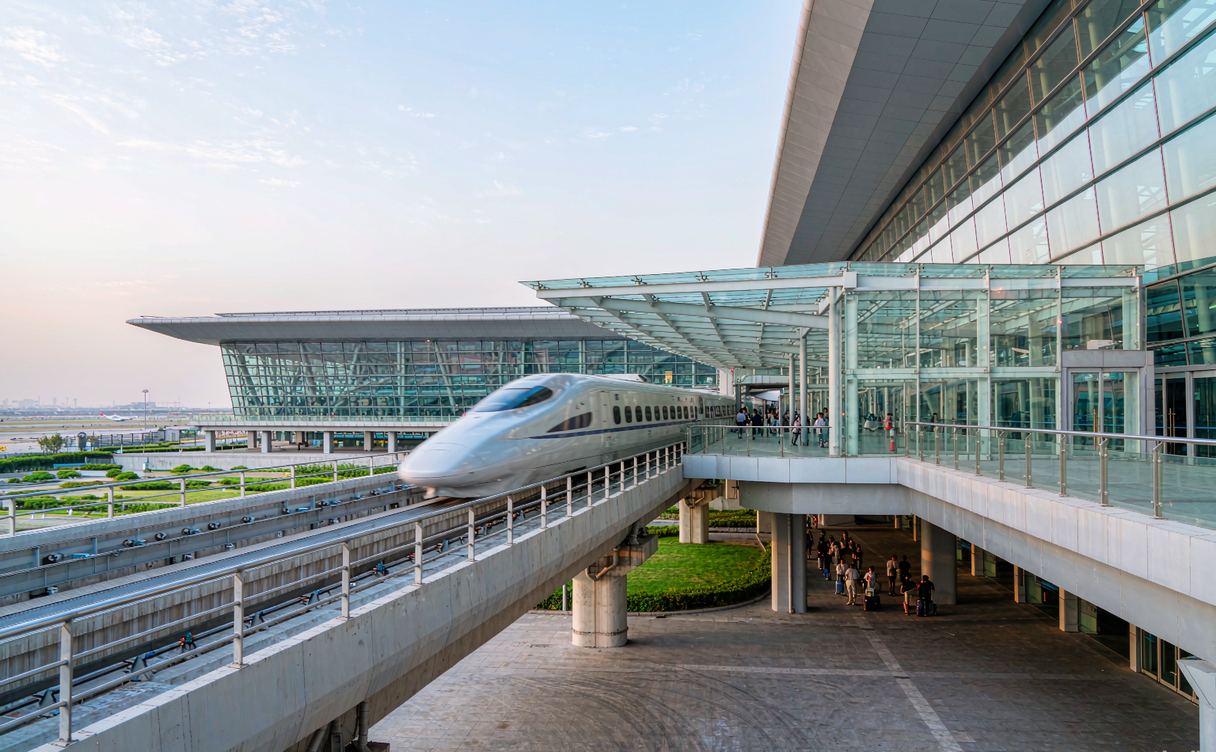
Getting from airport pudong into the heart of Shanghai is straightforward thanks to several reliable options. The star attraction is the Shanghai Maglev Train, the fastest commercial train in the world. It departs from the Maglev station between T1 and T2 and reaches Longyang Road Metro station in about 8 minutes, with a top speed of 430 km/h. A standard one-way ticket costs roughly 50 RMB, and if you show a same-day flight ticket the fare drops. From Longyang Road you can connect to Metro Line 2 or take a taxi for the final stretch.
Metro Line 2 is the budget-friendly workhorse. It runs directly from both terminals through the city, stopping at major points like Lujiazui, People’s Square, and Jing’an Temple, all the way to Hongqiao Airport and the Hongqiao railway station. The full ride to central Shanghai takes about 60 to 90 minutes depending on your destination, and a ticket costs only a few RMB. Trains run from early morning until roughly 11 p.m.
Taxis and ride-hailing are plentiful but expect a surge during peak hours. A taxi from PVG to the Bund or People’s Square typically costs between 160 and 220 RMB including tolls, and the drive takes 45 to 75 minutes depending on traffic. Official taxi ranks are clearly marked outside the arrivals halls — avoid anyone who approaches you inside the terminal offering “cheap” rides. For those arriving very late, pre-booking a car or using a hotel shuttle is the safest bet.
If your itinerary includes other Chinese cities, our China new airport guide breaks down the country’s major hubs and how they connect, which helps you plan multi-city trips with confidence.
Lounges and Amenities at china pudong airport
Despite its size, PVG offers a solid range of amenities for resting, dining, and shopping. Both terminals have extensive duty-free shops selling perfume, cosmetics, liquor, tobacco, and luxury goods, often at competitive prices compared with European airports. Dining ranges from familiar international chains to local Shanghai-style restaurants where you can try xiaolongbao (soup dumplings) and noodles before you fly.
For travelers seeking comfort, several airline lounges operate across T1 and T2, including Air China, China Eastern, and Lufthansa lounges, alongside independent pay-per-use lounges such as the VIP Lounge and the No.1 Lounge. These typically offer comfortable seating, buffet snacks, hot showers, and fast Wi-Fi. Access is granted through business or first-class tickets, eligible frequent-flyer status, or a lounge membership pass. Some credit cards also provide complimentary entries, so check yours before traveling.
Free Wi-Fi is available throughout the airport after a quick SMS verification of your phone number. Charging stations are common near gates, and the terminals provide clean rest areas, children’s play zones, and prayer rooms. For a deeper rest, the airport’s sleep pods and nearby transit hotels (detailed below) are worth considering, especially for red-eye connections.
Transit Hotels and Sleeping Near pvg airport
Long layovers and missed connections are common at a hub this size, so knowing where to sleep matters. Inside the secure area of Terminal 2, the Hourly Capsule Hotel offers private sleeping pods by the hour — ideal for a few hours of rest without leaving the transit zone. The pods include a bed, reading light, and charging port, and are surprisingly affordable for the convenience they provide.
For longer stays, several hotels sit just outside the airport perimeter and provide free shuttle buses. The aviation hotels and international-chain properties around PVG cater specifically to transit passengers, with soundproof rooms, early breakfast, and 24-hour receptions. Booking a night here can turn a grueling 12-hour layover into a refreshing break. Our China airport transit hotels guide lists vetted options across the country’s key airports if your route includes other stops.
If you prefer staying in the city and commuting out on the day of your flight, remember the Maglev and Metro make the trip easy, but build in extra time for the final security screening at PVG, which can be busy in the early morning.
Practical Tips for a Smooth Trip Through airport pvg shanghai
A few small habits make a big difference at this massive hub. Arrive at least three hours before an international departure and two hours before a domestic one. PVG security and immigration lines are efficient but long at peak times, and the walk to distant gates is no joke. Keep your passport and visa or entry records accessible, and have your hotel address written in both English and Chinese characters — note that the airport environment itself uses English signage, but taxis and hotels outside may need the Chinese form.
Currency is another consideration. While international cards work at major shops and restaurants, carry some RMB cash for taxis, tips, and small vendors. ATMs are located in both terminals, and currency exchange counters operate around the clock. Mobile payment apps like Alipay and WeChat Pay dominate in China, and linking a foreign card is possible but worth setting up before you land.
Finally, watch your terminal and gate closely. PVG’s scale means a wrong turn can cost half an hour. Download the airport’s official app or your airline’s app for real-time gate alerts, and enable notifications. If you are building a broader China itinerary, our China travel guide for first-timers and our best things to do in China are excellent companions to this airport overview.
FAQ: Common Questions About shanghai pudong airport
How far is pvg airport from central Shanghai?
The airport sits roughly 30 to 35 kilometers east of the city center. By Maglev plus Metro the trip can be as quick as 30 minutes to the outskirts of downtown, while a direct taxi takes 45 to 75 minutes depending on traffic. Metro Line 2 is the cheapest option at a few RMB and runs until around 11 p.m.
Which terminal should I use at pvg pudong airport?
It depends on your airline. Star Alliance carriers generally operate from Terminal 1, while SkyTeam and Oneworld airlines use Terminal 2. Always confirm your terminal on your booking and boarding pass, because gates in the satellite concourses require an extra transfer by people-mover.
Is there a place to sleep inside airport pvg shanghai?
Yes. The hourly capsule hotel in Terminal 2 offers private sleeping pods inside the transit area, and several hotels just outside the airport provide free shuttles for longer rest. This makes overnight layovers manageable without leaving the airport zone.
What is the fastest transport from china pudong airport to the city?
The Shanghai Maglev Train is the fastest, reaching Longyang Road in about 8 minutes at up to 430 km/h. From there, connect to Metro Line 2 or a taxi for the remainder of your trip downtown.
Conclusion
Navigating shanghai pudong airport does not have to be intimidating. With two main terminals, two satellite concourses, the record-breaking Maglev, and a dependable Metro, the airport connects you to Shanghai and the rest of China with remarkable ease. Plan your terminal, budget your transfer time, and take advantage of the lounges, dining, and transit hotels to make any layover comfortable. For authoritative background on the hub’s history and operations, consult the Shanghai Pudong International Airport Wikipedia page. With the tips in this guide, your time at shanghai airport will be smooth from curb to gate.