

The Chinese gender calendar, often called the Chinese conception chart or Chinese birth calendar, is a centuries-old folk method that claims to predict a baby’s sex using the mother’s lunar age and the lunar month of conception. According to tradition, the chart pairs these two numbers on a grid to reveal whether a family can expect a boy or a girl. The short answer for curious travelers and parents-to-be is simple: the chinese calendar baby gender chart is a cultural keepsake and a fun parlor game, not a medical test. It grew out of the traditional Chinese lunar calendar and the old way of counting a person’s age by lunar years rather than birthdays. In this guide we trace where the prediction chart came from, how people still use it today, and why it remains one of the most charming pieces of folk belief you will encounter while exploring family traditions across mainland China.
What Is the Chinese Calendar Baby Gender Prediction Chart?
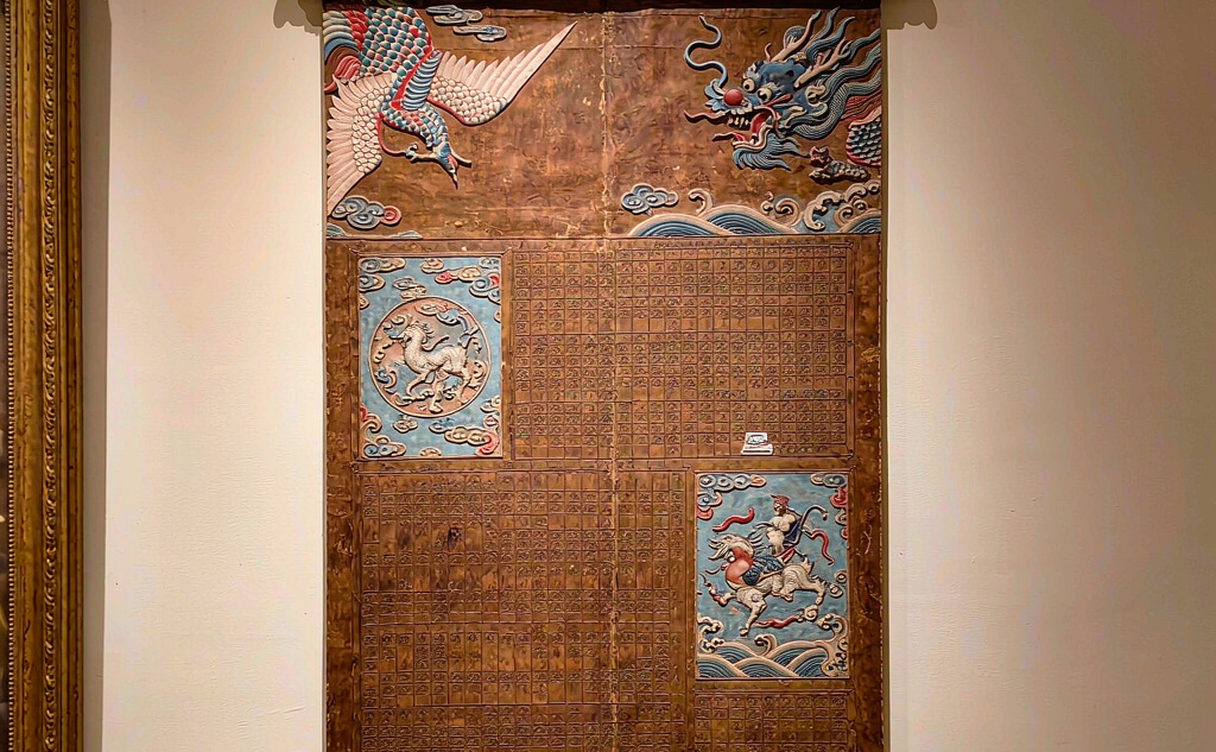
At its core, the chinese calendar baby gender chart is a simple table. Down one side runs the mother’s age, counted in traditional Chinese lunar years. Across the top runs the lunar month in which the baby was conceived. Where the two meet, the chart prints either “boy” or “girl.” Families consult it the way others might read a horoscope: as lighthearted entertainment and a conversation starter at holiday dinners.
The chinese gender calendar is sometimes printed on red paper with gold characters, folded into baby books, or displayed as a poster during the Lunar New Year. You will still see it sold at temple fairs and in stationery shops in cities across China. It is worth remembering that the chart does not use the Gregorian calendar that most travelers rely on. Instead, it depends on the lunar calendar, which is why visitors often need a conversion table to line up their own dates.
The Origins of the Baby Prediction Chart
The most popular legend places the birth of the chinese calendar gender prediction chart during the Qing dynasty, the last imperial dynasty of China. According to the story, the original chart was discovered in a royal tomb and later kept in the Forbidden City before being passed down as a curiosity. Whether or not that tale is true, the chart clearly belongs to the same world of folk almanacs, or “huang li,” that guided daily life in imperial China. Those almanacs mixed astronomy, agriculture, and superstition into a single yearly booklet that told people when to plant, travel, marry, and rest.
The prediction chart fits this tradition because it relies on the lunar calendar, the same system that sets the date of the Chinese New Year in China. Lunar age, the other half of the equation, counts a person as one year old at birth and adds a year every Lunar New Year. That is very different from the way ages are counted in the West, and it is one reason the chart can feel mysterious to first-time users.
How the Chinese Calendar to Know Gender Works
To use the chinese calendar to know gender, you first convert two ordinary facts into lunar terms. The first is the mother’s lunar age at the time of conception. Because lunar age adds a year each Spring Festival, a woman born in late December might be considered two years older in lunar terms than in Western terms within a few weeks. The second is the lunar month of conception, which shifts by roughly a month against the Gregorian calendar each year.
Once both numbers are converted, you find the row for the lunar age and the column for the lunar month. The square where they meet gives the predicted sex. Many online tools automate this step, but the underlying logic is unchanged: two numbers in, one prediction out. The appeal is precisely its simplicity. It asks no blood test, no ultrasound, and no equipment, only a knowledge of the moon’s calendar and a sense of play.
The Chinese Calculator for Gender: Lunar Age and Conception Month
Modern versions of the chinese calculator for gender are everywhere online, and most are built into pregnancy apps popular with Chinese-speaking families. You type in your Gregorian birth date and the date you believe conception happened, and the calculator silently converts both into lunar values before reading the chart. Some apps even let you “try” different months to see which is said to favor a boy or a girl.
Travelers interested in family culture will notice that the calculator is treated as folklore rather than fact. Pharmacies and maternity shops may hand out printed charts as free gifts, and grandparents often present them to newlywed couples as a blessing. The China travel guide for first-timers often notes that such small customs are part of daily life you will spot in markets and homes, not something reserved for museums.
Chinese Calendar Baby Gender 2026: Reading the Chart This Year
For families looking at the chinese calendar baby gender 2026 version, the key task is aligning 2026 Gregorian dates with the lunar year. The Lunar New Year of 2026 begins in mid-February, so a conception in January 2026 still falls within the previous lunar year, while one in March belongs to the new one. Getting this boundary right changes which column of the chart you read, and therefore which prediction you receive.
Because the lunar calendar drifts against the solar year, there is no single fixed Gregorian month that always maps to the same lunar month. That is why a fresh chart or a reliable converter matters more than memorizing a pattern. Parents who treat the tool as a game enjoy comparing notes; those hoping for a definite answer are gently reminded that only a medical professional can tell a baby’s sex with confidence.

Is the Chinese Calendar Gender Prediction Accurate?
The honest answer about the chinese calendar gender prediction is that no rigorous study has shown it to be more accurate than chance. Large reviews of similar folk prediction methods find results clustered near fifty percent, exactly what you would expect from a coin flip. The chart’s staying power comes not from accuracy but from cultural warmth: it gives families a cheerful ritual to share during pregnancy and a story to tell the child later.
Reputable sources treat the chart as cultural history. For a clear explanation of how the underlying timekeeping system works, see Britannica on the Chinese calendar, which describes the lunisolar structure that makes lunar age and lunar months possible. Understanding that system helps explain why the prediction chart looks the way it does, even if it does not predict biology.
The Chinese Gender Calendar in Modern Family Culture
Today the chinese gender calendar survives mostly as a souvenir of belief rather than a decision-making tool. You will find it printed on fans, embroidered on baby blankets, and featured in social media posts where expectant parents post their “results” with a wink. During festival seasons it often appears alongside zodiac forecasts and lucky-color guides.
For visitors, the chart is a small window into how ordinary people blend ancient calendars with modern life. If you want to see more of this living heritage, the Best things to do in China include temple fairs, old-town markets, and folk museums where such almanacs are still sold and explained. And if you hope to catch these traditions at their liveliest, the Best time to visit China often points to the weeks around the Lunar New Year, when red charts and gold characters appear on doors across the country.
Frequently Asked Questions
What is the Chinese lunar calendar behind the gender chart?
The chart depends on the traditional Chinese lunisolar calendar, which tracks both the moon’s phases and the solar year. This is the same calendar that sets festival dates and defines lunar age.
How does the Chinese gender calendar work step by step?
You convert the mother’s age into lunar age and the conception date into a lunar month, then read the intersecting square on the chart for a boy or girl prediction.
Can the Chinese calculator for gender be trusted?
It is best enjoyed as folklore. Studies suggest its accuracy is close to random, so it should never replace medical advice.
Why do people still use the Chinese calendar to know gender?
Because it is a harmless, shared ritual that adds a little fun and storytelling to pregnancy, and because it connects families to a long line of Chinese folk tradition.
[CTA]Plan your China trip around the lunar calendar — explore our China travel guide for first-timers.[/CTA]
[CTA]Want to experience the festivals where these traditions shine? Browse the Best things to do in China for markets and museums.[/CTA]
[CTA]Time your visit for the liveliest celebrations with the Best time to visit China guide.[/CTA]