

China gets a reputation for being either suspiciously cheap or shockingly expensive, and the truth sits in the middle. The travelers who blow $200 a day are usually the ones who booked a four-star hotel near People’s Square on a Western card, took DiDi everywhere, and ate at the airport-food-court markup. The travelers who live well on $45–$70 a day are doing something specific: they sleep in hostels or budget hotels, ride second-class high-speed rail, eat where locals eat, and book the whole thing on one platform so they’re not losing money to currency conversion and booking fees. Here’s exactly how that cheaper version works, with real numbers from 2025–2026 trips.

What $40–$70 a Day Actually Buys You
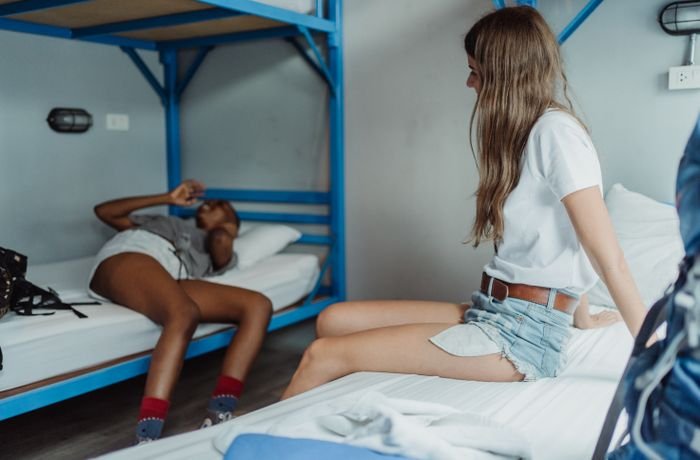
Let’s ground this in a real day in Chengdu or Xi’an, not a fantasy. A dorm bed at a decent hostel runs $12–$18. A budget hotel room with a private bathroom in a neighborhood like Chengdu’s Kuanzhai Alley area or Xi’an’s Muslim Quarter fringe runs $28–$40. Street food breakfast (jianbing, soy milk, youtiao) is $1.50–$3. A proper lunch bowl of noodles or a rice plate is $3–$6. Dinner at a local restaurant with beer is $6–$12. City metro rides are $0.30–$0.60 each. Add a $5–$10 attraction ticket and you’re at $40–$70 without feeling like you’re suffering.
The trick is that China’s cheap tier is genuinely good. A $4 Lanzhou lamian is better than most $18 bowls back home. The subway is fast and spotless. Free sights — the Bund in Shanghai, Houhai in Beijing, the lakes in Hangzhou, the night markets in Chongqing — cost nothing and are the best part of the trip anyway.
Hostels vs Budget Hotels: When Each Wins
I’m not going to pretend a dorm is always the answer. Here’s the real trade-off:
- Hostel dorm ($12–$18/night): best if you’re solo, under 30-ish, and want to meet people. Places like the Le Tour, Mix, and Okay hostels in Beijing/Shanghai/Chengdu have social bars and tour boards. Downside: thin walls, shared bathrooms, and you’ll lose sleep if you’re a light sleeper.
- Budget hotel ($28–$45/night): best for couples, light sleepers, or anyone staying 4+ nights. Chains like 7 Days, Home Inn, and HanTing are clean, have elevators and private baths, and sit near metro stations. For two people this is often cheaper per head than a dorm.
If you want a curated shortlist of clean, well-located cheap sleeps, our guide to the best budget hotels in China breaks it down city by city. When you’re ready, you can book a cheap hostel or budget hotel on Trip.com and see the same room prices in your own currency before you commit.
Getting Around: Second-Class HSR vs Flying
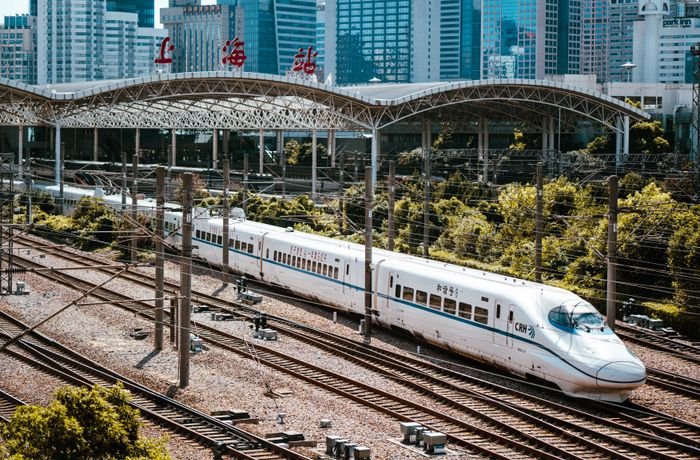
China’s high-speed rail is the budget traveler’s best friend. Second-class seats on the Beijing–Shanghai line (1,318 km) cost about $75–$90 and the train takes ~4.5 hours city-center to city-center. A flight might be $60–$110 but eats 2 hours of airport transit each way plus security, so the rail is often faster door-to-door under 1,500 km.
For longer hops — Beijing to Guangzhou at ~2,300 km, or Shanghai to Chengdu at ~1,700 km — a flight wins on time, and low-cost carriers (Spring Airlines, Lucky Air) sell fares from $50–$90 if you pack light. The full picture of when to ride vs fly is in our 2026 China high-speed train booking guide, and the air side is covered in the domestic flights within China guide.
When you book, you can compare second-class train fares on Trip.com side by side with flights for the same route — that single screen is usually where the savings show up.
A Realistic Daily Budget Breakdown
Here’s a sample 7-day solo trip (Chengdu 3 nights, Xi’an 3 nights, 1 travel day) at the low end:
| Expense | Budget (per day) | Midrange (per day) |
|---|---|---|
| Sleep (dorm vs hotel) | $14 | $38 |
| Food (street + local) | $14 | $30 |
| Transport (metro + 1 HSR day) | $10 | $22 |
| Attractions + sim | $6 | $15 |
| Misc (laundry, snacks) | $5 | $10 |
| Total per day | $49 | $115 |
That budget column is real and repeatable. The midrange column is what most first-timers drift into without a plan — still cheap by Western standards, but more than double.
Free and Nearly-Free Sights
Don’t skip the free stuff — it’s often the highlight. In Beijing, the neighborhood guides point you to hutong walks and lakeside paths that cost nothing. In Shanghai, the Bund, the former French Concession streets, and the riverside promenade are free. In Chengdu, People’s Park, the Wide and Narrow Alleys (watch the prices inside, but the strolling is free), and the riverside at Anshun Bridge cost $0. Many museums — the ones in our China museum route guide — are free with advance reservation.
Cheap Eats Without Getting Sick
The fear is “street food will wreck me.” It mostly won’t if you follow one rule: eat where there’s a line of locals and the food is cooked hot in front of you. A bowl of dandan noodles in Chengdu, a roujiamo (Chinese burger) in Xi’an, a steamer of xiaolongbao in Shanghai — all $2–$5 and safe because they’re fresh and hot. Download Meituan or just point at what the next table has. Avoid pre-cut fruit that’s been sitting and unrefrigerated drinks from random stalls.
Booking Cheap Without the Fees Eating You Alive
Here’s the part most budget guides skip: the booking method matters. Paying each hostel and train in a separate foreign transaction, or using a card with a 3% FX fee, quietly adds 5–10% to your trip. Booking flights, trains, and hotels in one place — and paying in your home currency or via a no-FX-fee card — keeps that leak plugged. When you’re comparing options, you can book a domestic flight inside China on Trip.com right next to the train price so you pick the cheaper one on the spot.
Mistakes That Blow the Budget
- Booking hotels in the CBD: a room two metro stops out is 40% cheaper and 15 minutes further. Use the neighborhood guide to pick the right district.
- Taking DiDi for short hops: the metro is $0.40 vs $3–$6 for a ride. Walk or ride the subway for anything under 3 km.
- Eating at the attraction gate: food inside scenic areas is 2–3x the price 500 m outside. Step out and eat.
- Buying a data SIM at the airport: it’s $20–$30 there vs $8–$12 if you order an eSIM or China Unicom tourist SIM online before arrival.
- Paying in your card’s currency at checkout (“dynamic currency conversion”): always choose to pay in RMB — the merchant rate is worse if you let them convert.
What to Do Next
Pick your two or three cities, sketch a $50/day daily ceiling, and book the long rail or flight legs first since those sell out around holiday periods. The rest — hostels, cheap eats, free walks — falls into place once you’re there.
Is $50 a day realistic for China in 2026?
Yes, if you sleep in dorms or budget hotels, eat street and local food, ride the metro, and use second-class high-speed rail for medium hops. That covers bed, food, local transport, and cheap attractions. Flights, nicer hotels, and guided tours are extra.
Are hostels in China safe and clean?
The major city hostels (Le Tour, Mix, Okay, and international chains) are clean, have lockers, and enforce quiet hours. Read recent reviews and check that bathrooms are en-suite or well maintained. Solo female travelers report feeling safe in the big-brand hostels.
Is high-speed rail cheaper than flying in China?
For trips under 1,500 km, second-class HSR is usually similar in price to a budget flight but faster door-to-door because stations are central. For longer routes, low-cost flights from Spring Airlines or Lucky Air can be cheaper. Always compare both on one screen before booking.
Can I book trains and hotels on the same platform?
Yes. Trip.com sells China high-speed rail tickets, domestic flights, and hotels in one account, which makes it easy to keep everything in one itinerary and one currency. That’s handy when a delay means rebooking a connection.
Do I need cash for a budget trip?
Mostly no. Alipay and WeChat Pay cover shops, metros, and street stalls, and foreigners can now link international cards to both. Carry $30–$50 in small RMB notes as backup for tiny vendors and rural buses.
What’s the biggest budget mistake first-timers make?
Staying in the most central, expensive district and taking taxis everywhere. Moving two metro stops out and riding the subway typically cuts daily costs by a third with almost no loss of experience.