

Every China trip ends up with the same internal debate: do I take the train or the plane? I used to just book whatever was cheaper and regret it half the time — a “cheap” flight that ate five hours in airport transit, or a “fast” train that cost more than the flight. After a dozen trips and roughly 8,000 km of track, I’ve landed on a simple rule based on distance. Below is the decision guide I wish someone had handed me before my first Beijing–Chengdu mistake.

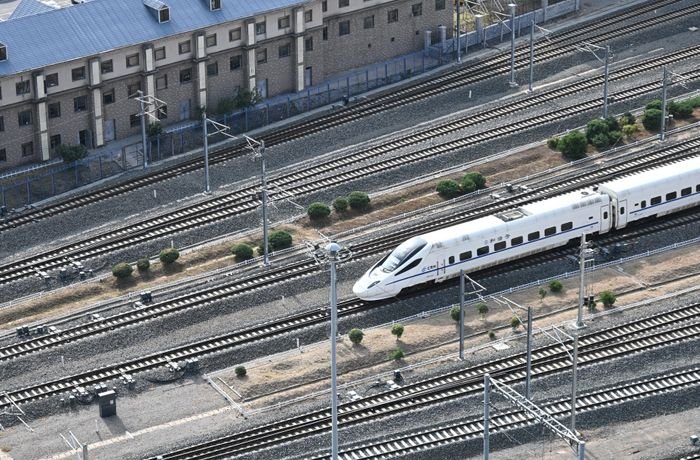
The One Rule: Decide by Distance
China is huge, but its rail and air networks are both excellent, so the “right” answer flips depending on how far you’re going. The clean version:
- Under 700 km: the train almost always wins. Stations are central, security is quick, and you’re city-center to city-center.
- 700–1,500 km: it’s a genuine toss-up. Compare door-to-door time and price; often they land within an hour and $20 of each other.
- Over 1,500 km: flying wins on time, especially with low-cost carriers.
When you’re weighing a specific route, you can compare China train and flight prices on one screen on Trip.com and let the numbers decide instead of your gut.
The Comparison Table (by Distance Band)
| Distance band | Faster option | Typical price (2nd class / economy) | Comfort | What to book |
|---|---|---|---|---|
| Under 700 km (Shanghai–Nanjing, Xi’an–Luoyang) |
Train | $12–$28 | Spacious seats, outlets, smooth | Second-class HSR |
| 700–1,500 km (Beijing–Shanghai, Chengdu–Xi’an) |
Tie | $55–$110 | Train roomier; flight quicker in air | Whichever is cheaper that week |
| Over 1,500 km (Beijing–Guangzhou, Shanghai–Kunming) |
Flight | $60–$160 | Flight saves 4–6 hrs total | Low-cost or mainline flight |
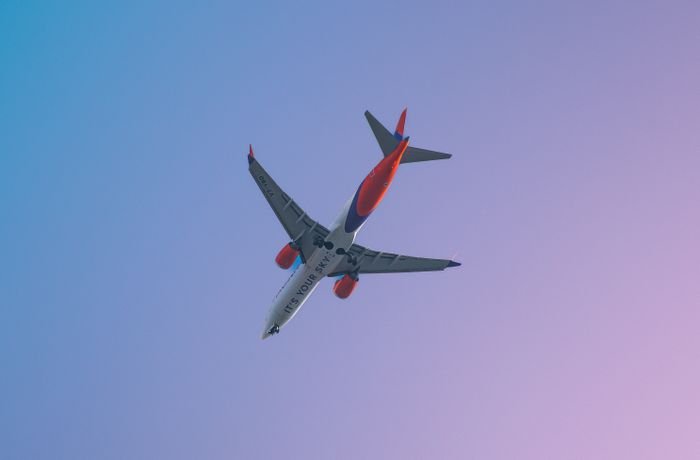
Under 700 km: Why the Train Wins Every Time
Take Shanghai to Nanjing (~300 km). The HSR takes 75 minutes and drops you at Nanjing South Station, on the metro line, 20 minutes from the old city. A flight would be 50 minutes in the air but add 90 minutes to reach Pudong, 60 minutes at the far end to get back downtown — so the plane loses by two hours. At $14–$22 for second class, the train is also cheaper. For short regional hops like Xi’an to Luoyang ($12, 1.5 hrs) or Guilin to Yangshuo ($9, 45 min), there’s no contest.
The full mechanics — classes, ID requirements, and how to read a Chinese train ticket — are in our 2026 China high-speed train booking guide.
700–1,500 km: The Real Toss-Up
This is where people get it wrong. Beijing to Shanghai is the classic case: the train is 4.5 hours and ~$75–$90 second class; a flight is 2.5 hours airborne but you should budget 4.5–5 hours door-to-door once you factor Pudong/PEK transit and security. They’re a wash on time, so it becomes a price and comfort call.
I pick the train here when I want to work or sleep (the seats recline, there’s a tray, and the ride is smooth enough to write emails), and the flight when I’m connecting internationally or land deals show up under $60. The key is to actually look at both before choosing — and you can book a China domestic flight on Trip.com right next to the train fare so the cheaper option is obvious.
Over 1,500 km: Let the Plane Do the Work
Shanghai to Kunming is ~2,300 km. The train runs 10–12 hours; the flight is 3.5 hours plus transit. Even with airport overhead, flying saves you a full day. Same for Beijing to Guangzhou (~2,300 km) or Chengdu to Harbin (~2,500 km in winter — you do not want a 14-hour train in January).
Low-cost carriers change the math: Spring Airlines and Lucky Air run Beijing–Guangzhou or Shanghai–Chengdu from $50–$90 if you carry a small bag and skip the seat assignment. The catch is they fly from secondary airports (Shanghai Hongqiao vs Pudong, for instance), so check which terminal before you book your hotel. Our domestic flights within China guide for 2026 walks through which carriers and airports to watch.
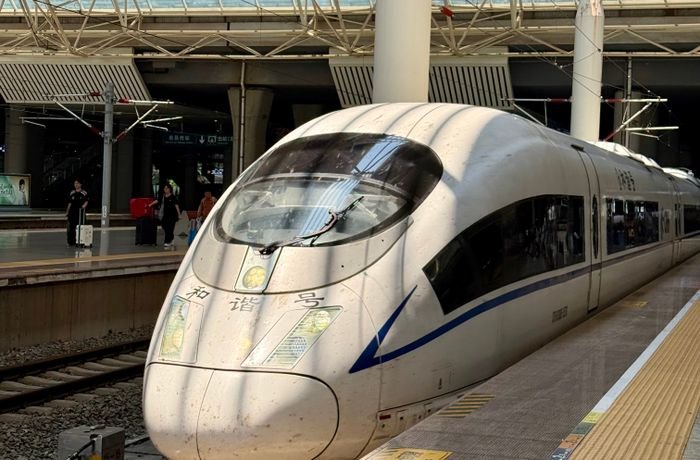
Comfort: The Part Nobody Mentions
Train comfort is underrated. Second class on a Fuxing bullet train has more legroom than economy on most flights, a proper table, power outlets, and a dining car with hot meals and beer. You keep your phone signal the whole way. Flights win only on raw time for long routes and on the ability to sleep through a red-eye. If you get motion sick or hate turbulence, the train is calmer.
Booking Both in One Place
A practical reason to use a single platform: China trips almost always mix modes. You might train Shanghai–Nanjing, fly Nanjing–Chengdu, train Chengdu–Xi’an. When one leg is delayed, rebooking the next is far easier if both are in one account with one support line. Trip.com sells both HSR and domestic flights, so your whole route sits in one itinerary — handy the day a typhoon nudges your Shanghai flight.
Mistakes to Avoid When Choosing
- Forgetting station vs airport location: Beijing has two airports and several huge stations. A “central” train station can be 40 minutes from your hotel; confirm which one before you book the room.
- Comparing only ticket price: add transit time to the airport (often 60–90 min) and you’ll see a “$40 flight” actually costs more in time than a “$70 train.”
- Booking the wrong cabin: on trains, second class is the budget sweet spot; first class costs ~60% more for modest extra space. On flights, basic economy may not include a carry-on — read the bag rule.
- Ignoring holiday surges: during Spring Festival and National Day week, both trains and flights sell out and prices triple. Book 30–60 days out for the 700–1,500 km band especially.
- Assuming the train is always greener: it usually is per passenger-km, but for 2,000+ km the time you save flying may matter more than the carbon — your call.
How do I know which is faster for my exact route?
Use the distance bands above as a first cut, then compare the real door-to-door time. For under 700 km the train wins; 700–1,500 km is a toss-up; over 1,500 km flying usually saves hours. Compare both on one booking screen rather than guessing.
Are Chinese domestic flights reliable?
Generally yes. Delays happen more in summer (typhoons) and winter (snow in the north), but the network is vast and rebooking is straightforward. Build a buffer between a flight and any fixed plans like a train connection or hotel check-in.
Is second-class train seating comfortable for a 5-hour trip?
Yes. Second-class Fuxing seats recline, have a tray table and power outlet, and there’s a dining car. Five hours is comfortable; for 8+ hours consider first class or splitting the trip with an overnight stop.
Can I book both trains and flights together?
Yes. Trip.com sells China high-speed rail and domestic flights in one account, so you can keep a mixed rail-and-air itinerary in one place and rebook easily if a leg is delayed.
Which budget airlines fly within China?
Spring Airlines and Lucky Air are the main low-cost carriers, with fares from $50–$90 on long routes if you travel light. They often use secondary airports, so check the terminal against your hotel before booking.
Should I book transport before or after my hotels?
Book the long train or flight legs first, especially in holiday periods when they sell out, then choose hotels near the arrival station or airport. For short hops under 700 km you can book trains a few days ahead outside peak season.