

Wuwei sits in the middle of Gansu province along the historic Hexi Corridor, the string of oasis towns that carried the Silk Road between central China and the West. Most travelers rush from Lanzhou to Zhangye and Dunhuang, but Wuwei rewards those who pause. It holds one of the best preserved Confucian temples outside Shandong, a Han dynasty tomb that produced China’s most famous bronze horse, and a calm, walkable old town that feels untouched by mass tourism. This Wuwei Gansu travel guide explains how to get there, what to see, when to go, and how to fit the city into a wider Silk Road route. You can reach Wuwei by fast train from Lanzhou in under two hours, making it an easy detour or an overnight stop. Plan one full day for the main relics and a second for museums and local food. Read on for the practical details that make the trip smooth.
How to Get to Wuwei from Lanzhou
The simplest way to arrive is by rail. The Wuwei to Lanzhou train runs several times a day, and the fast service covers the distance in roughly one hour and forty minutes. Wuwei South Railway Station is the modern hub for high speed services, while the older Wuwei Station handles slower local trains. From Lanzhou you can also connect onward to Zhangye, Jiayuguan, and Dunhuang on the same line, which makes Wuwei a logical midpoint rather than a detour.
If you fly, the nearest major airport is in Lanzhou, and a handful of regional flights serve Jinchang Jinchuan Airport about two hours away by road. Long distance buses link Wuwei with Wuwei’s neighbors, but trains are faster and more comfortable. Within the city, ride hailing apps and cheap taxis cover most needs, and the central sights are close enough to reach on foot from the old town.
Buy train tickets a few days ahead during holidays, when the Wuwei to Lanzhou train sells out. Keep your passport handy, since station security checks it against the booking. Arrive at the station at least thirty minutes early to clear the security line.
Wuwei Confucian Temple Relics
The centerpiece of any visit is the Wuwei Confucian Temple relics complex, known locally as Wenmiao. Built in the Ming dynasty and expanded in later centuries, it is the largest and best preserved Confucian temple in northwest China. The layout follows the classic pattern: a front screen wall, a ceremonial gate, the main Dacheng Hall on a raised terrace, and quiet side courtyards shaded by old cypress trees. Stepping through the gates, you leave the dusty street noise behind and enter a calm grid of red pillars, carved brackets, and tiled roofs.
Inside, the temple holds a remarkable collection of steles and stone tablets, many recording imperial examinations and local history. The adjacent Wuwei Museum displays Bronze Age and Han dynasty objects, Buddhist artifacts from nearby cave temples, and the famous stele that once marked the Western Xia era. For travelers interested in things to do in Wuwei Gansu, the temple and museum together fill a relaxed half day, and the combination ticket is good value.
Photography is allowed in the open courtyards, but be respectful during any ceremony. Mornings are quietest. The site sits a short walk from the old town, so pair it with a stroll through nearby lanes where you can still see traditional courtyard homes and small neighborhood temples.
Leitai Han Tomb and the Bronze Horse
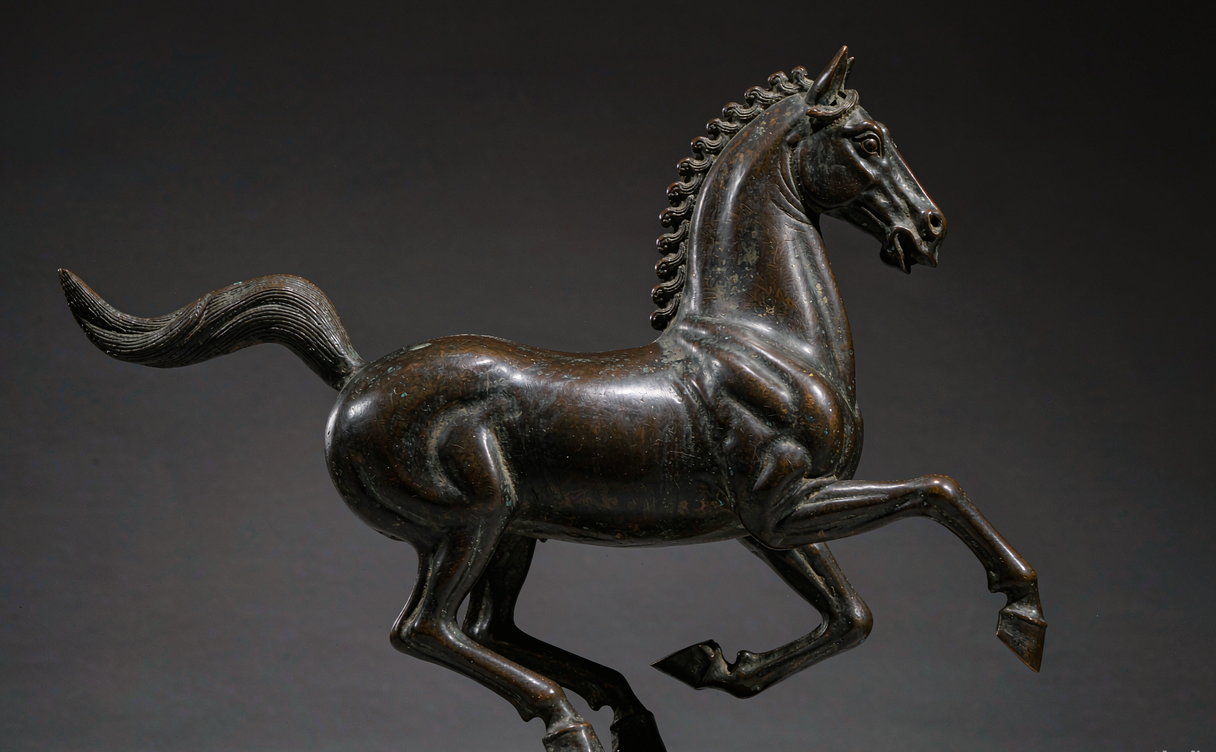
Wuwei’s most celebrated treasure comes from the Leitai Han tomb, a brick chamber tomb dated to the Eastern Han period and discovered in 1969. Among the more than two hundred bronze objects found inside was a small, galloping horse that has since become a national symbol of Chinese tourism. The original leaps with one hoof on a swallow, a feat of balance that captures motion in metal. This is the Leitai Han tomb bronze horse, formally called the Bronze Galloping Horse, and it now lives in the Gansu Provincial Museum in Lanzhou, while a replica stands at the Leitai site in Wuwei.
The Leitai park today includes the excavated tomb passage, a small exhibition hall, and gardens where you can see a larger cast of the horse. Visiting the actual tomb chamber gives a real sense of how Han era elites were buried with miniature armies of horses and chariots. For history lovers, this stop is the single best reason to break the journey in Wuwei.
Allow ninety minutes here. The on site museum explains the excavation and shows how the bronze horse was cast using piece mold techniques. Combine the visit with the Gansu Provincial Museum in Lanzhou if you want to see the original, and read our Lanzhou travel guide for directions.
Hexi Corridor Silk Road Context
To appreciate Wuwei, you need the bigger map. The Hexi Corridor is a narrow green ribbon between the Qilian Mountains and the Gobi Desert, and it was the main land route of the Silk Road for over a thousand years. Wuwei, known in antiquity as Liangzhou, was a military and trading hub where armies, monks, and merchants regrouped before pushing west. The city appears in Tang poetry as a frontier outpost, and its monasteries once guarded Buddhist texts and art flowing from Central Asia.
Understanding this context turns a simple temple visit into a story. The Hexi Corridor Silk Road stops run in a line: Lanzhou, Wuwei, Zhangye, Jiayuguan, and Dunhuang. Each has a distinct character, but Wuwei is the one that balances Confucian scholarship with frontier grit. If you are building a longer trip, our Qinghai Gansu loop itinerary shows how to link these towns with the Qinghai Lake circuit.
Travelers heading further west can use Wuwei as a base before the train to Zhangye, where the rainbow mountains await, or continue to Jiayuguan to see the fort where theGreat Wall meets the desert. For overnight plans near those stops, see our best hotels in Zhangye and best hotels in Jiayuguan.
Things to Do in Wuwei Gansu Beyond the Big Sites
Once the headline relics are done, Wuwei offers slower pleasures. The old town morning market is a feast of noodles, flatbreads, and dried fruits, and it is the best place to watch daily life. The Wuwei White Pagoda, local parks, and the rebuilt city walls give short, pleasant walks. If you enjoy cave art, the nearby Tiantishan Grottoes hold early Buddhist sculptures carved into a cliff beside a reservoir, an easy half day trip by hired car.
For a deeper cultural angle, visit the Western Xia tomb stele in the museum and the small neighborhood mosques that reflect the region’s Hui heritage. Tea houses around the Confucian Temple serve the local brick tea and are perfect for an afternoon rest. These smaller experiences are exactly what makes things to do in Wuwei Gansu feel personal rather than packaged.
Food in Wuwei
Gansu food is hearty, wheat based, and built for cold desert nights. In Wuwei, start with liangpi, cold slippery noodles dressed with vinegar, chili, and garlic, sold from carts across the old town. Hand pulled lamian noodles in beef broth are the everyday staple, and you can order them with extra chili oil. Stuffed flatbreads called roujiamo here use local lamb, and the night market near the center grills them fresh.
Do not miss the local yogurt, thick and tart, often topped with white sugar, and the dried melon seeds that travelers once carried along the Silk Road. For a fuller picture of regional eating, our Gansu cuisine guide maps the dishes you will meet across the province, from Lanzhou beef noodles to Zhangye’s fried breads.
Vegetarians do fine with noodles, steamed buns, and stir fried greens, though broths are usually meat based. Meals are cheap, and a filling bowl rarely costs more than a few dollars.
Best Time to Visit Wuwei
The best time to visit Wuwei is late spring, from May to early June, and early autumn, from September to early October. These windows bring mild temperatures, clear skies, and little rain, ideal for walking between outdoor sites. Summer can be hot, with strong sun and the occasional thunderstorm, while winter is dry and very cold, though the temple courtyards look striking under snow and hotels drop their prices.
Spring and autumn also line up with the clearest views of the Qilian snow line from the train. Avoid the first week of October, China’s National Day holiday, when the Wuwei to Lanzhou train and local hotels get crowded. If you come in winter, pack a warm coat and check site opening hours, since some exhibitions shorten their schedules.

Suggested Wuwei Itinerary
Here is a simple plan that fits most schedules.
Day 1: Arrive on the morning Wuwei to Lanzhou train or an onward service. Drop bags at your hotel, then spend late morning at the Confucian Temple and the attached museum. Eat liangpi for lunch near the old town. In the afternoon, visit Leitai Han tomb and the bronze horse replica. Dinner at the night market.
Day 2: Take a morning trip to Tiantishan Grottoes by hired car, returning for a slow lunch and tea near the temple. In the afternoon, wander the old town lanes and the White Pagoda, then catch an evening train west to Zhangye or east to Lanzhou.
If you have a third day, use it to explore the Western Xia heritage exhibits in depth or to rest and eat your way through the markets. Wuwei is not a place that demands hurry, and a relaxed pace is part of its charm.
Practical Tips
Wuwei is small enough that you rarely need a guide, but hiring one at the Confucian Temple or Leitai adds context about the steles and the tomb’s discovery. Carry small cash for market stalls, though mobile payment works almost everywhere.
For official opening times, ticket prices, and seasonal notices, check the Gansu provincial culture and tourism portal before you travel. The authoritative visitor information is published by the Gansu Provincial Department of Culture and Tourism at Gansu Culture and Tourism. Hours shift around holidays, so confirm on the morning of your visit.
Plan the wider route with our Qinghai Gansu loop itinerary.
Pair Wuwei with Lanzhou travel guide for the train connection.
Eat your way across the province with our Gansu cuisine guide.