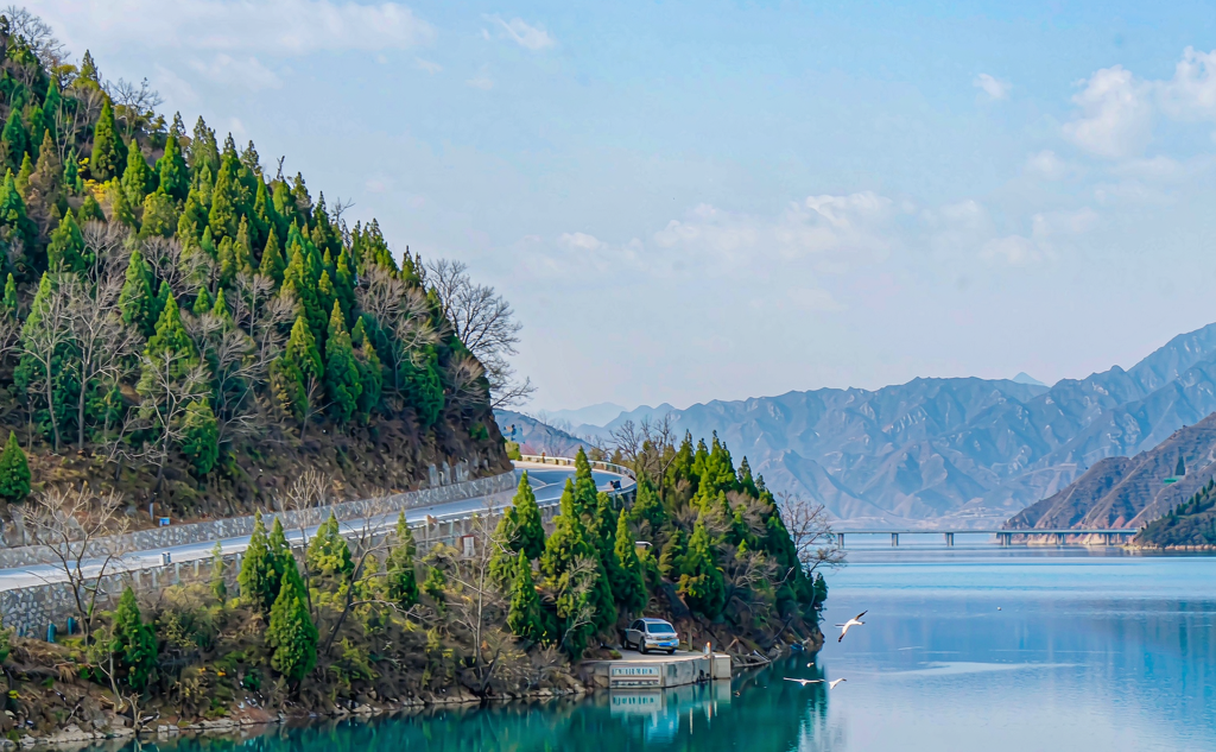
Driving across China is a different way to travel than the high speed trains most visitors know. This China road trip guide covers the best road trips in China, what it takes to rent a car, and how to build a self drive China itinerary that actually works. The country has some of the most dramatic mountain and desert roads on earth, and a car lets you stop where the bus never does.
First, the honest part. Foreign visitors cannot simply pick up a car and drive off. China does not recognize International Driving Permits, and renting a car to drive yourself usually requires a Chinese license, which most short term visitors do not have. The practical answer for most travelers is to hire a car with a driver, which is affordable and removes the stress of signs, tolls, and parking. Our China car rental and driving guide explains the license rules, the driver hire option, and what to expect on toll roads.
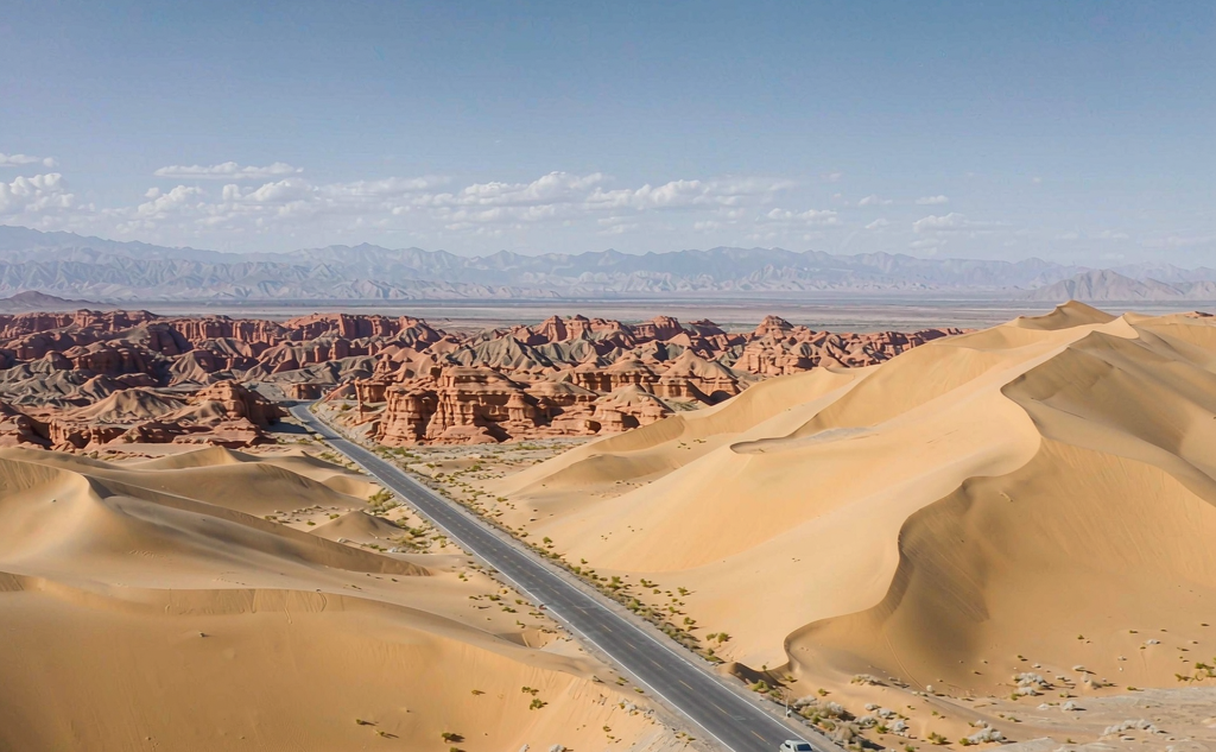
The most famous drive is the Duku Highway in Xinjiang, China, a road that crosses the Tianshan mountains and changes from desert to alpine meadow in a few hours. It opens only in summer because snow closes the high passes the rest of the year. The Duku Highway guide gives the opening dates, the fuel stops, and the lookout points you should not miss. Pair it with the wider Xinjiang region for the cities and lakes at each end of the road, where the scale of the landscape is hard to grasp from a map.
A self drive China itinerary around Chengdu works well because the roads into western Sichuan are good and the scenery builds from pandas to snow peaks. Chengdu is your launch point for loops toward plateau towns, though note that some high altitude routes near Tibet, China need careful planning and, for foreign travelers, attention to permit and access rules. The Tibetan areas reward a slow pace, with yak herds, monasteries, and ridgeline views that justify every extra day on the road.
China scenic drives are not only in the far west. The coast road through parts of Shandong, the rice terrace loops of Yunnan and Guangxi, and the route from Zhangjiajie into the Wuling mountains all reward a car. Pick a region rather than trying to cross the whole country; distances are huge and highways, while excellent, still take time. A focused loop beats a rushed cross continent dash every time.
China highway travel tips start with navigation. Download an offline maps app before you go, because signal drops in mountains and deserts. Tolls are paid electronically at booths; with a hired driver this is handled for you. Fuel stations are frequent on major roads but sparse in remote counties, so top up whenever the tank drops below half in wild country. Keep a paper map as backup, because screens fail at the worst moments.
Plan your days short. A ten hour drive sounds fine on paper but leaves no time to stop, and the stops are the point. Aim for three to four hours of driving with frequent breaks. Night driving on rural roads is risky because of unlit carts, animals, and trucks, so reach your town before dark. A driver who knows the roads also knows which roadside restaurant is worth the stop.
Weather shapes everything. The Duku Highway and other high passes close with snow. Desert routes in Xinjiang, China get brutally hot in July and August. Spring and autumn are the safest, mildest windows for most scenic drives. Check local road status the morning you leave, because mountain weather changes fast and a closed pass can rewrite the day.
Food on the road is a highlight. Highway service areas have decent noodles and coffee, but the real meals are in the county towns you pass through. A hired driver often knows the best lunch stop, which is one more reason the driver option beats going alone for most visitors. Try the local barbecue in Xinjiang, China and the Sichuan peppercorn dishes near Chengdu; the regional food is its own reason to drive.
Permits and borders need attention. Some border regions require special permits, and foreign travelers should confirm access before routing through them. The Tibetan areas in Tibet, China in particular have rules that change, so verify current conditions rather than relying on old blog posts. Build buffer days into any plateau route so a permit delay does not sink the plan.
Safety basics: keep water and a warm layer in the car even in summer, because a breakdown on a high pass gets cold fast. Share your route with someone. Carry some cash for small tolls and village shops. A basic medical kit and sunscreen belong in the glovebox, along with a phone power bank because charging points are scarce off the highway.
Choosing the right vehicle matters. For Duku and plateau routes, a sturdy SUV with cleared emissions handles rough patches better. On coastal and terrace loops, a regular sedan is fine. Discuss road conditions with your rental or driver contact when booking, because they know what the season demands and can steer you away from washed out side roads.
Photography stops are everywhere, but pull fully off the road and never stop on blind curves. The best light is early and late, so plan a sunrise viewpoint and a golden hour lake into the schedule. Drones are restricted near military and border zones, so check before flying, and remember that some of the best shots are from a safe pullout you almost drove past.
This China road trip guide would be incomplete without a budgeting note. Hiring a driver with a car for a multi day loop often costs less than renting two train tickets and several hotels would suggest, once you add the flexibility of sleeping in small towns. Get quotes in writing, agree on fuel and parking, and confirm whether the driver’s meals and lodging are included so there are no surprises at the end.
Choosing where to base your trip depends on the scenery you want. The far west gives deserts, snow peaks, and the Duku Highway, but it demands more planning and more days. Sichuan and Yunnan give greener, more varied loops with better food and easier logistics. Coastal and karst regions suit a shorter trip with frequent stops and good hotels. Match the route to your season and your tolerance for long empty roads, because a drive that looks exciting on a map can become monotonous if it does not suit you.
Driving with a local driver has hidden benefits beyond the license issue. The driver knows which passes close after rain, where the best roadside noodles are, and how to handle a checkpoint without drama. He can also translate with villagers when you stop, turning a photo opportunity into a short conversation. Agree on a daily rate that includes waiting time, because you will want the car available while you explore on foot.
A few rules keep the trip smooth. Never get behind the wheel yourself on a tourist visa; the insurance and legal exposure are not worth it. Keep the car stocked with water, snacks, and a warm layer even in warm regions, because weather shifts fast at altitude. Save offline maps, share your route daily, and build rest days into multi day loops so fatigue never drives the decisions. Fuel and restrooms cluster at highway service areas, which are clean and frequent on the big roads but absent on back routes, so plan breaks around them. The best road trips in China are the ones where you reached the end wanting one more pass, not relief that it was over.
For official road and travel information, the China National Tourist Office lists regional travel resources that help you verify conditions before a long drive.